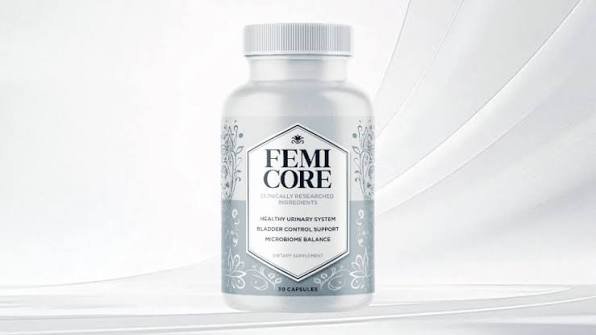
If you’re searching for a FemiCore Review, this guide will help you understand the product, its listed ingredients, and important details to consider before buying.
First, let’s look at how the manufacturer describes FemiCore. The product website presents it as a dietary supplement for women’s urinary wellness. In addition, the formula information lists botanical ingredients and probiotic strains.
However, ingredient lists and marketing claims do not prove that a supplement will produce a specific result. Therefore, this review examines the available product information, discusses selected ingredients, and highlights important safety considerations.
Editorial Note: This article provides general educational information. It does not replace professional medical advice, diagnosis, or treatment.
What Is FemiCore?
FemiCore is a dietary supplement that the manufacturer promotes for women’s urinary wellness.
The product information describes a formula that combines botanical ingredients with probiotic strains. For that reason, consumers may want to review the ingredient list before deciding whether the product fits their preferences and needs.
However, the manufacturer’s description represents its intended use, not proof of clinical effectiveness. To make an informed decision, readers should also consider the available scientific evidence, ingredient amounts, and safety information.
Before purchasing, check the current label and confirm that the product details match the offer you plan to order.
What Is FemiCore?
FemiCore is marketed as a dietary supplement designed to support women’s urinary wellness as part of a daily routine.
The product’s marketing materials focus on bladder wellness, urinary comfort, and probiotic support. The formula is presented as a combination of botanical extracts and Lactobacillus probiotic strains.
For anyone researching FemiCore, it’s important to distinguish between the manufacturer’s intended use and evidence showing that a particular finished product produces a specific result.
The information available on a product website can help explain how a supplement is marketed, but it does not independently establish its effectiveness.
Before buying, consumers should review the current product label, ingredient amounts, directions, and relevant purchase terms.

FemiCore Ingredients: What’s Inside the Formula?
One of the most important parts of any supplement review is understanding what is actually included in the formula.
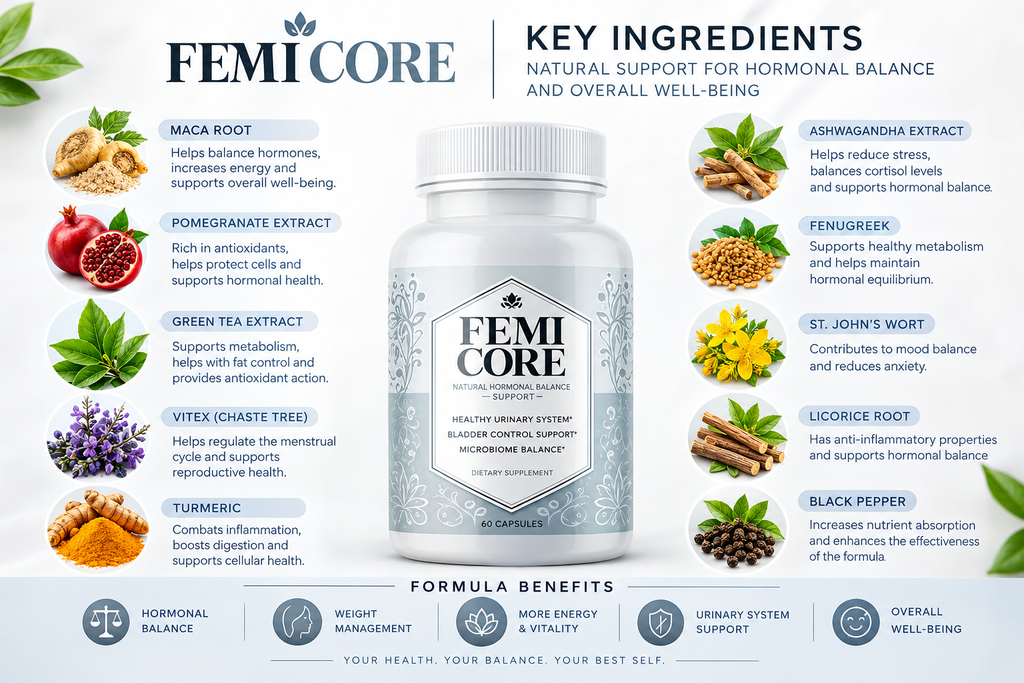
The FemiCore product page reviewed for this article lists a combination of botanical ingredients, berberine, and five Lactobacillus probiotic species. The list below reflects that product page and should be checked against the exact bottle and sales page you intend to promote.
1. Cranberry Extract
Cranberry is commonly associated with urinary tract wellness and has been investigated for its potential role in reducing the risk of recurrent urinary tract infections in certain populations.
According to the U.S. National Center for Complementary and Integrative Health (NCCIH), some evidence suggests cranberry products may reduce the risk of recurrent urinary tract infections in women who have experienced them previously. However, results are not completely consistent, and cranberry is not a treatment for an existing urinary tract infection.
These findings about cranberry products do not automatically establish the effectiveness of FemiCore itself.
2. Bearberry Leaf (Uva Ursi)
Bearberry, also known as uva ursi, is a botanical ingredient traditionally associated with urinary wellness.
Its presence in a formula does not establish that a finished supplement will produce a particular result. Consumers should review the ingredient amount, product directions, and available safety information before use.
Because botanical ingredients can have safety considerations, ask a qualified healthcare professional whether this ingredient is appropriate for your circumstances.
3. Mimosa Pudica
Mimosa pudica is a plant used in various traditional herbal practices.
FemiCore’s product information lists it as one of the botanical components of the formula. However, the inclusion of a traditional botanical ingredient should not be interpreted as proof that the finished product improves bladder function or treats urinary symptoms.
The strength of evidence can vary considerably between ingredients and intended uses.
4. Berberine HCl
Berberine is a plant-derived compound that has been researched for several aspects of health, particularly metabolic health.
Research in one area does not automatically establish a benefit for urinary wellness. The amount included in a formula and the evidence relevant to the intended use matter when evaluating a supplement.
Berberine can interact with medications and may cause digestive side effects. It should not be used during pregnancy or breastfeeding without appropriate medical guidance; the NCCIH advises that berberine should not be used during these periods.
Anyone taking medication or managing a health condition should discuss berberine-containing supplements with a qualified healthcare professional before use.
5. Lactobacillus Crispatus
Lactobacillus crispatus is a bacterial species studied in connection with the vaginal microbiome.
Its potential effects depend on the specific strain, formulation, dose, and intended use. Research involving a particular strain or method of administration does not necessarily apply to every product containing the same species.
6. Lactobacillus Acidophilus
Lactobacillus acidophilus is a commonly used probiotic species.
Probiotics can differ in their characteristics and potential effects. For consumers comparing supplements, the strain identity, amount, storage instructions, and expiration date are useful details to review.
7. Lactobacillus Casei
Lactobacillus casei is another probiotic species listed in the product information.
Its presence contributes to the formula’s probiotic component, but the species name alone does not establish the effectiveness of the finished supplement for a particular concern.
8. Lactobacillus Plantarum
Lactobacillus plantarum is used in a variety of probiotic products.
As with other probiotics, the available research should be evaluated in the context of the specific strain, dose, formulation, and intended use rather than generalized to every product containing this species.
9. Lactobacillus Gasseri
Lactobacillus gasseri is another probiotic species included in the product information reviewed here.
Its potential role depends on the characteristics of the specific strain and the formulation in which it is used.
The U.S. National Institutes of Health Office of Dietary Supplements explains that probiotic effects may depend on the particular microorganisms and their amounts. A higher probiotic count alone does not necessarily mean greater benefits.
How Does FemiCore Work?
FemiCore is marketed around the idea of combining botanical ingredients and probiotics in one dietary supplement.
The product’s presentation emphasizes urinary wellness and the microbiome. These are the intended areas of focus, but they should not be confused with proof that the complete formula produces a specific clinical outcome.
When evaluating a supplement, consider three separate questions:
- What ingredients does the product contain?
- What research is available on those ingredients for the intended use?
- Has the finished product itself been adequately studied?
Evidence involving cranberry, berberine, or an individual probiotic strain cannot automatically be used to establish the effectiveness of the entire FemiCore formula.
For this review, I could not verify published clinical trial results for the exact finished formula from the product information reviewed. That is an important distinction for readers who want to make an informed decision.
What Potential Benefits Does FemiCore Advertise?
FemiCore’s marketing materials emphasize several areas of intended support:
Urinary Wellness
The product is positioned for consumers interested in everyday urinary wellness. This marketing description should not be interpreted as evidence that the supplement treats a urinary condition.
Bladder Support
The manufacturer presents FemiCore as a supplement intended to support bladder wellness. Specific claims about reducing urgency, leaks, or bathroom visits should be evaluated against reliable evidence for the finished formula.
Probiotic Support
The listed formula includes Lactobacillus probiotic species. However, probiotic effects depend on strain, formulation, amount, and use.
A Convenient Supplement Routine
A product that combines several ingredients may be convenient for some consumers. Convenience alone, however, does not establish that a supplement is necessary, appropriate, or effective for a particular person.
Overall, these points describe how FemiCore is positioned in the market. They should not be read as guarantees of results.
How Should You Use FemiCore?
The correct directions depend on the exact product and its current label.
Before taking FemiCore, review the serving size, recommended frequency, ingredient amounts, storage instructions, expiration date, and any warnings provided by the manufacturer.
Do not rely on instructions copied from a different website or a similarly named product. Confirm that the directions match the bottle you receive.
If you are taking prescription medication, have an existing health condition, or are considering a supplement during pregnancy or breastfeeding, consult a qualified healthcare professional first.

What Should You Consider Before Buying FemiCore?
Before making a purchase, consider the following points.
1. Confirm the Exact Formula
Verify the ingredients and amounts on the current Supplement Facts label. The product name alone is not enough to confirm that different websites describe the same formula.
2. Look for Ingredient Amounts
A list of ingredient names does not tell you how much of each ingredient is included. Check whether the label provides quantities and whether probiotic details include relevant strain information.
3. Review the Available Evidence
Evidence for an individual ingredient is not the same as evidence for a finished product. Look for reliable information related to the actual formula and its intended use.
4. Consider Medication Interactions
Some supplement ingredients can interact with medications. Berberine, in particular, has documented interaction concerns. Ask a healthcare professional or pharmacist to review the ingredients if you take medication.
5. Check the Purchase Terms
Before ordering, confirm the current price, shipping cost, package size, refund policy, and any restrictions. Offers and guarantee terms can change, so rely on the terms displayed at the checkout linked to your order.
6. Understand the FDA’s Role
In the United States, dietary supplements are not approved by the FDA for safety and effectiveness before they are marketed in the way prescription medicines are. A manufacturing facility’s FDA registration is not the same as FDA approval of the supplement.
You can learn more through the FDA’s consumer guidance on dietary supplements.
FemiCore and Everyday Wellness
A supplement should be considered within the wider context of personal wellness rather than as a substitute for professional evaluation.
Everyday habits such as staying hydrated according to your needs, following balanced nutrition, and discussing persistent health concerns with an appropriate professional can be part of a broader approach to wellness.
However, urinary symptoms can have different causes. A dietary supplement should not be used as a replacement for diagnosis or treatment when these are needed.

Is FemiCore Right for Everyone?
No dietary supplement is necessarily appropriate for every person.
Before considering FemiCore, review the full ingredient list and think about allergies, existing health conditions, medication use, and other supplements you already take.
People who are pregnant or breastfeeding should seek professional advice before using supplements that contain berberine; the NCCIH states that berberine should not be used during pregnancy or breastfeeding.
Probiotics also may not be appropriate for everyone, particularly some people who are seriously ill or have weakened immune systems.
If you experience burning when urinating, blood in the urine, fever, significant pain, or persistent or recurring urinary symptoms, seek medical advice promptly. Do not rely on a dietary supplement to treat a possible infection.

Frequently Asked Questions About FemiCore
What Is FemiCore?
FemiCore is marketed as a dietary supplement for women’s urinary wellness. The product page reviewed for this article describes a combination of botanical ingredients and Lactobacillus probiotic species.
What Ingredients Are Listed in FemiCore?
The product page reviewed here lists cranberry extract, bearberry, Mimosa pudica, berberine HCl, and five Lactobacillus species: L. crispatus, L. acidophilus, L. casei, L. plantarum, and L. gasseri. Always check the exact bottle and current product page before relying on this list.
Can FemiCore Treat a Urinary Tract Infection?
FemiCore should not be presented as a treatment for an existing urinary tract infection. Cranberry research relates primarily to the possible prevention of recurrent infections in certain groups, not treatment of an active infection. Anyone who suspects an infection should seek professional medical advice.
Is FemiCore FDA Approved?
Dietary supplements are not FDA-approved for safety and effectiveness before being marketed in the same way as prescription medicines. A facility registration or manufacturing claim should not be interpreted as approval of the finished supplement.
How Long Does FemiCore Take to Work?
I could not verify reliable clinical evidence establishing a specific timeframe for the finished FemiCore formula. Be cautious of claims that promise results within a set number of days or weeks.
Can I Take FemiCore With Medication?
Do not assume that a supplement is suitable for use with every medication. Berberine may interact with medicines, so consult a healthcare professional or pharmacist before use.
Where Can I Find the Current Price and Refund Policy?
Review the current product website and the terms presented at checkout. Prices, bundles, shipping costs, and refund conditions may change.
Final FemiCore Review
FemiCore is marketed as a women’s urinary wellness supplement combining botanical ingredients and probiotics.
The formula’s ingredient list is an important starting point for evaluating the product, but it should not be treated as proof that the finished supplement improves bladder control, reduces urinary symptoms, or treats an infection.
Consumers should confirm the current formula, review ingredient quantities and safety information, and distinguish evidence about individual ingredients from evidence about the complete product.
Before making a purchasing decision, compare the information on the product label with the manufacturer’s current details, review the purchase terms, and seek professional guidance when appropriate.
My overall takeaway: FemiCore may interest readers researching supplements in the women’s urinary wellness category, but an informed decision requires careful attention to the exact formula, available evidence, and individual circumstances.
Want to Learn More About FemiCore?
If you’re considering FemiCore, review the current product information, ingredient label, directions, pricing, shipping details, and refund terms before deciding whether it is appropriate for you.
Replace this button’s link with your authorized affiliate link to the exact FemiCore offer reviewed in this article.
Affiliate Disclosure
This website may contain affiliate links. If you click an affiliate link and make a purchase, we may receive a commission at no additional cost to you.
Our goal is to provide informational content that helps readers understand the product and evaluate available information before making their own purchasing decisions.
Health & Product Disclaimer
This article is for general informational and educational purposes only and does not provide medical advice, diagnosis, or treatment.
The information presented here is not a substitute for consultation with a qualified healthcare professional. Dietary supplements should not be used to diagnose, treat, cure, or prevent disease.
Individual circumstances and experiences may vary. Always read the product label and consult a qualified healthcare professional before using a dietary supplement, especially if you take medication, have a medical condition, or are pregnant or breastfeeding.
FDA Disclaimer: These statements have not been evaluated by the Food and Drug Administration. This product is not intended to diagnose, treat, cure, or prevent any disease.